We speak English, Spanish, Polish and Russian.




Our services
Our mobile foot care specialists provide professional in-home podiatric care, bringing high-quality treatment directly to patients in the comfort of their own homes. We offer a full range of services, including routine foot care, diabetic foot care, wound healing, pain management, and custom orthotics. Using modern techniques and personalized treatment plans, our goal is to relieve pain, promote healing, improve mobility, and support long-term foot health without the need for clinic visits.
Please call us 773-302-7237 today we can help you or your close one in need of foot doctor care to receive it in the comfort of your home, watch Dr Vadim Goshko video, to know who would be qualified by Medicare or private insurances for housecalls.
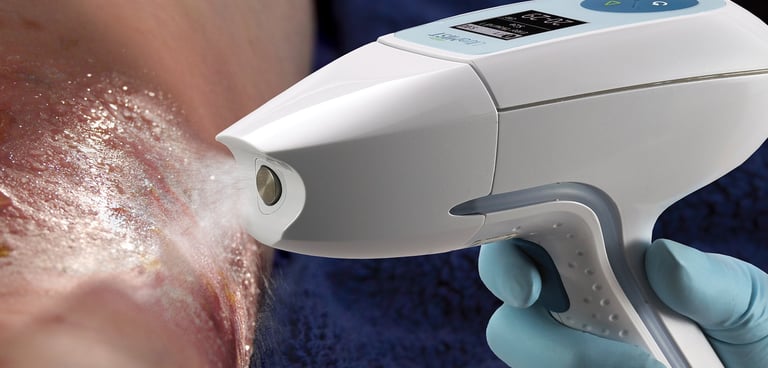
Mist Ultrasound Wound Heeling Therapy
What does MIST therapy do?
The MIST Therapy System delivers therapeutic ultrasound to the wound bed without direct contact. Saline solution is converted into fine particles and released towards the wound by sound pressure waves to remove dead or damaged tissue.
How does ultrasound promote wound healing?
The proposed mechanism through which ultrasound therapy improves wound healing is “cavitation”. Cavitation results in the breakdown and erosion of devitalized tissue present in the wound bed. Therefore ultrasound therapy improves wound healing through debridement.
Does radio frequency heal wounds?
The present findings demonstrate that radiofrequency ablation has a significantly influence on reducing the number of bacteria and improving the healing quality and is a promising candidate for treatment of infected wounds. Provides wound debridement; reduces wound infection; promotes radiofrequency ablation; wound healing.
Can Ultrasound be used on open wounds?
Low-frequency US waves can accelerate the healing speed of open wounds as well as deep-tissue injuries. In addition, US waves show promising therapeutic efficacy for chronic wounds.
Low-intensity ultrasound (LIUS) was shown to be beneficial in mitigating inflammation and facilitating tissue repair in various pathologies.
Xray by Housecalls Podiatrists in Chicago
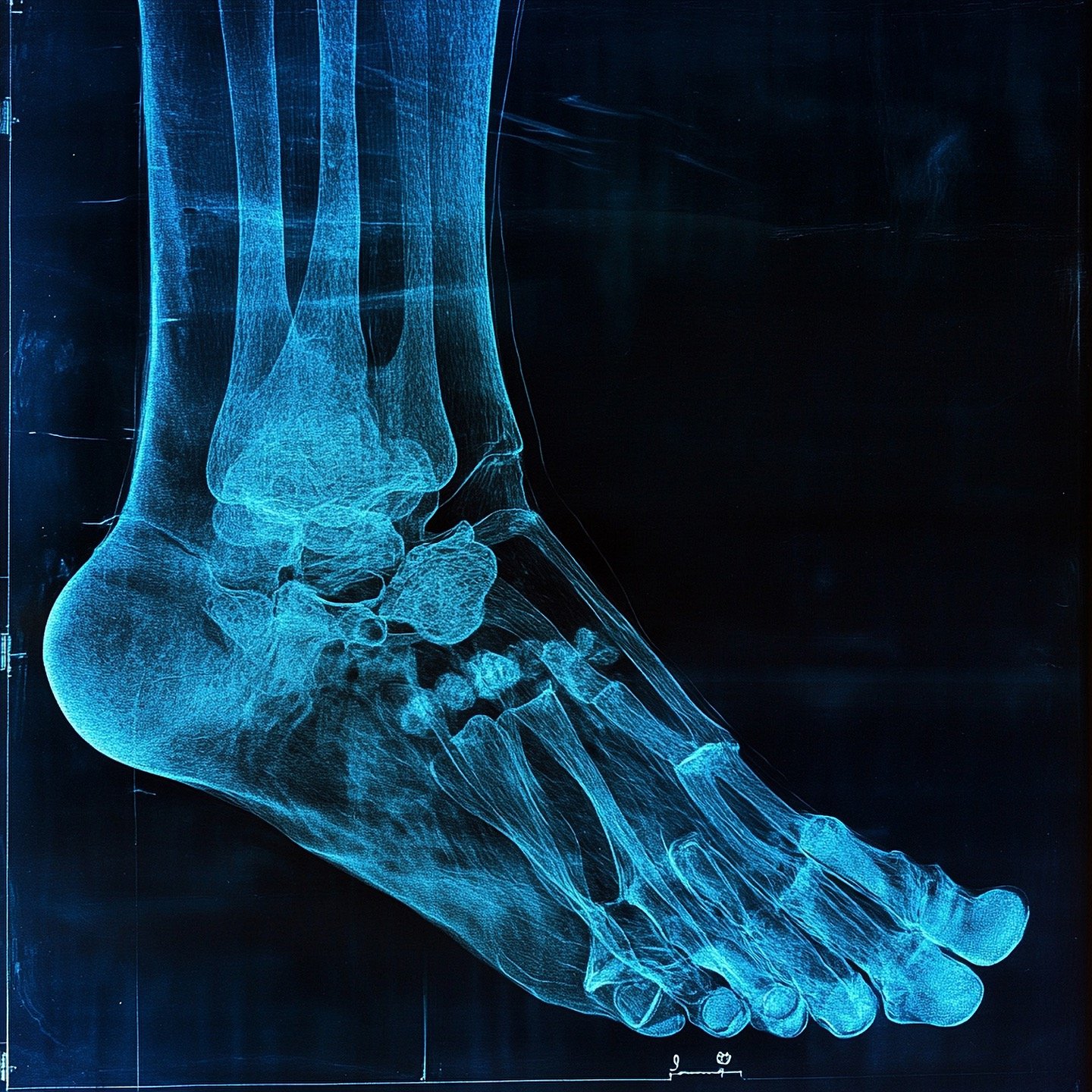
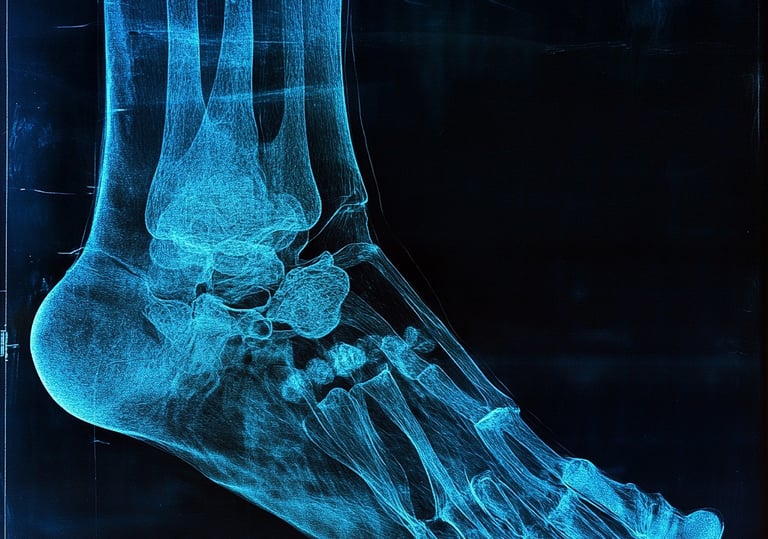
If during the podiatrists house calls doctor visit there will be a need for X Ray exam, our foot doctor will call mobile X Ray services to provide us with all necessary information about your bone condition and to provide you with the best available treatment plans.

Toenails Trimming
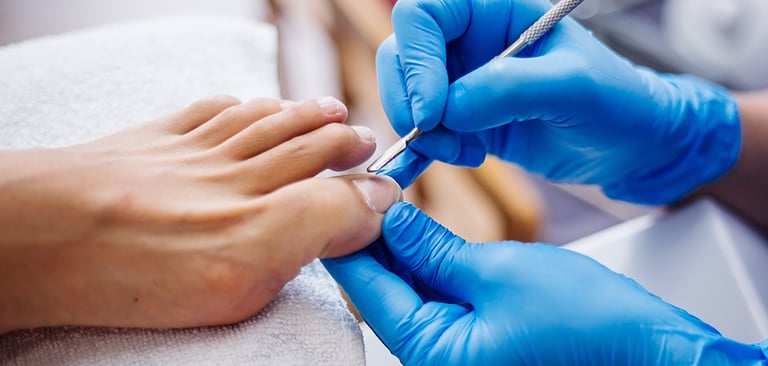
Can’t Reach Toenails to Cut Them Anymore?
Older people complain that at some point, for one reason or another, it is no longer possible to reach toenails for clipping.
Thick hard to cut toenails;
Difficulty reaching the toe;
Arthritic hands making operation of the clippers hard;
Toes that are bent or otherwise not “as usual” due to conditions like arthritis / What is available – our foot doctors will be happy to help you to solve this problem! Toe nail cutting is eligible service for house call podiatrist /mobile podiatrist if you are unable to visit foot clinic due to any of those reasons:
Being patient of home health organization, or visiting internist;
Post-surgical recovery;
Inability to walk/travel to the office due to pain, weakness, loss of balance , fragile, health;
Being a resident of assistance living facility;
Being wheelchair bound/ bed confined/ in need of walking assistance devices, such as crutches , walker, scooter
Have your primary doctor visiting you at home as well.
Diabetic Foot Care
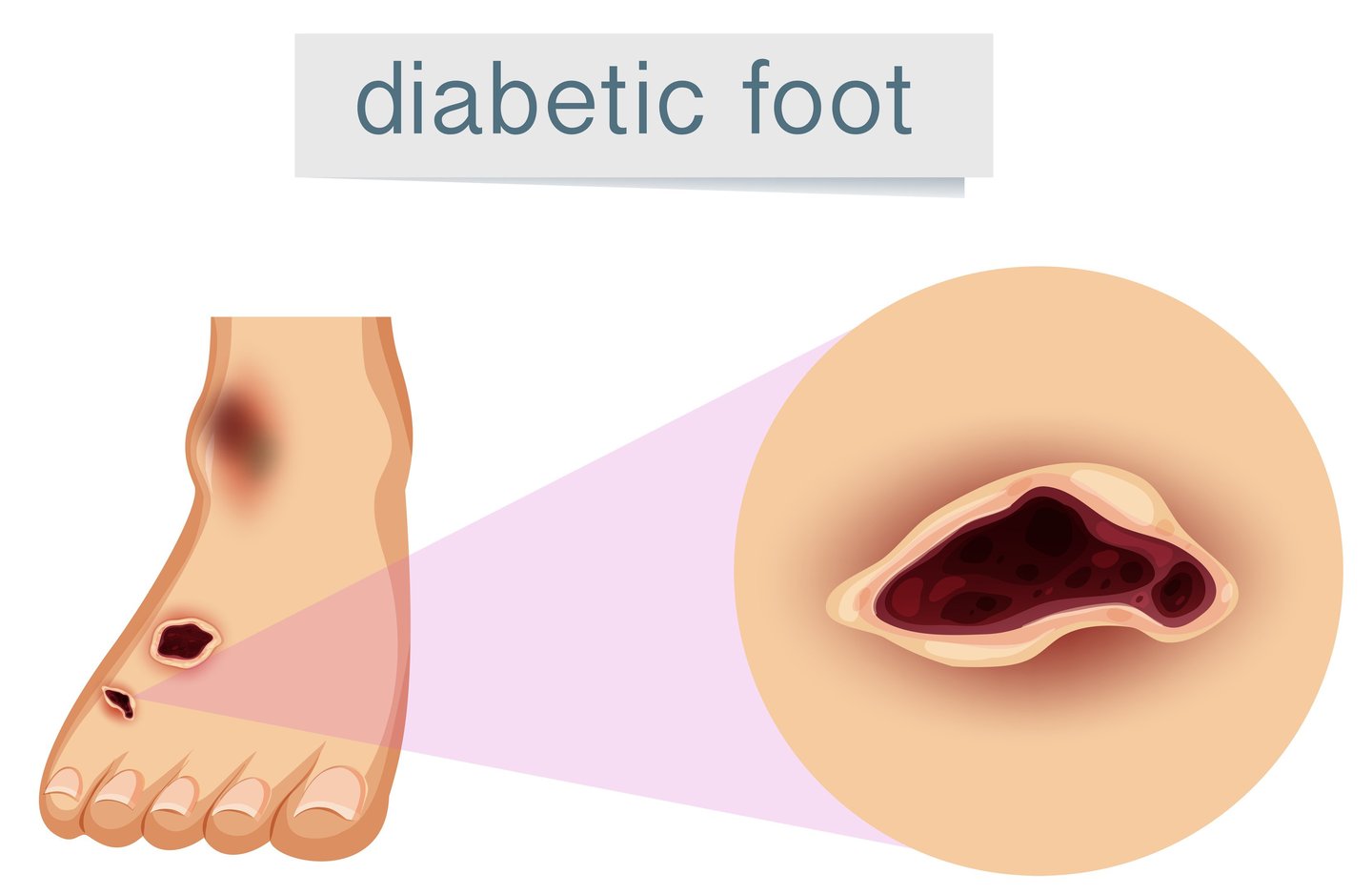
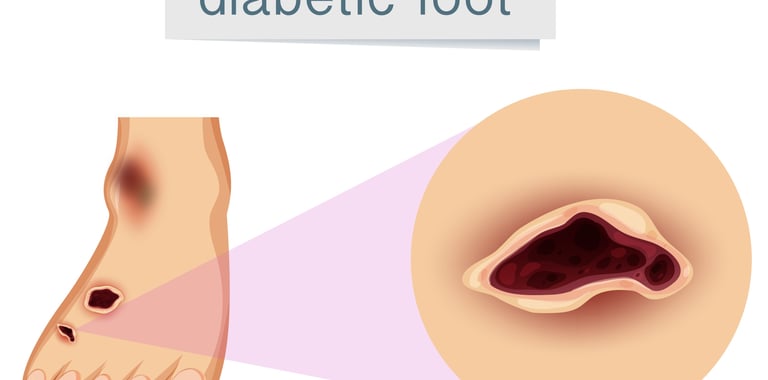
Having diabetes, nerve damage, circulation problems, and infections can lead to serious foot problems. That is why you can take precautions to maintain healthy feet. Managing your diabetes helps keep your feet healthy and it should include:
regular medical exams, including foot checks at every visit and checking your ABCs (A1C, blood pressure, and cholesterol), monitoring your blood sugar daily, regular exercise, eating a balanced diet rich in fruits and vegetables. Our podiatry housecall foot doctors will talk to you about getting special shoes that will help you maintaining health feet with your condition.
Warts
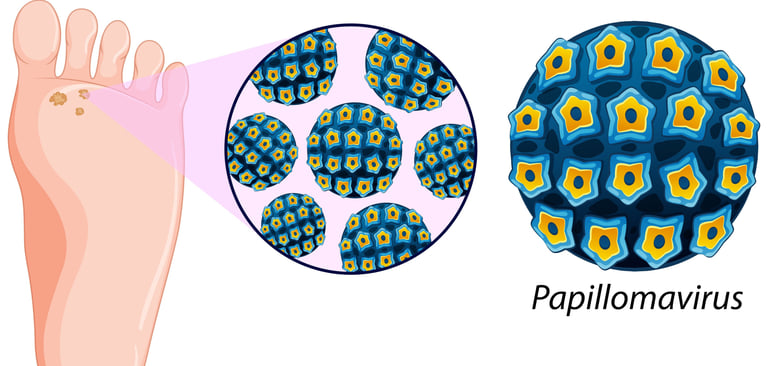
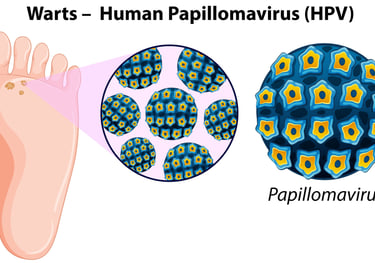
Plantar warts are widespread, particularly in children, and are located on the underside of the foot. These warts are benign skin growths which result from a virus. There are several strains of the virus. The viral infection will usually affect the top layer of skin. These warts are not harmful but can cause some irritation or mild discomfort. Most of the time, a person has them removed because they are unattractive and make him or her feel awkward about revealing his or her feet. Plantar warts are small, similar to the size of an eraser end on a pencil. Additionally, they can grow in clusters referred to as mosaic warts.
How does a person get warts?
Warts usually spread through indirect contact. In many, situations a person with a wart touches or uses something, as a communal shower, without wearing shoes or covering the wart and then another person uses or touches the same surface, picking up the virus. The risk of passing along warts this way isn’t very high, however. The main culprit is a weakened immune system. A compromised immune system leaves a person vulnerable to getting another infection. It is easier to contract the wart virus after being sick, and it is relatively common to get one after suffering a cold or the flu.
How are warts treated?
Once the virus that causes warts has entered the foot, usually through a tiny cut or another opening in the skin, it establishes itself in the deeper layers of tissue where it can be protected, growing and multiplying and eventually resulting in the fleshy growth that is visible on the bottom of the foot. In fact, the fleshy growth that is visible is usually a small fraction of the actual wart, most of which is buried beneath the tissue. To eradicate them, plantar warts require professional treatment to penetrate to these deeper layers to eliminate the entire wart. Over-the-counter medications are not strong enough to remove the entire wart, enabling the wart to grow again. Warts can be treated with cryotherapy to freeze the virus, killing it and preventing re-growth, or with lasers or other procedures to destroy the entire wart.
Custom Orthotics
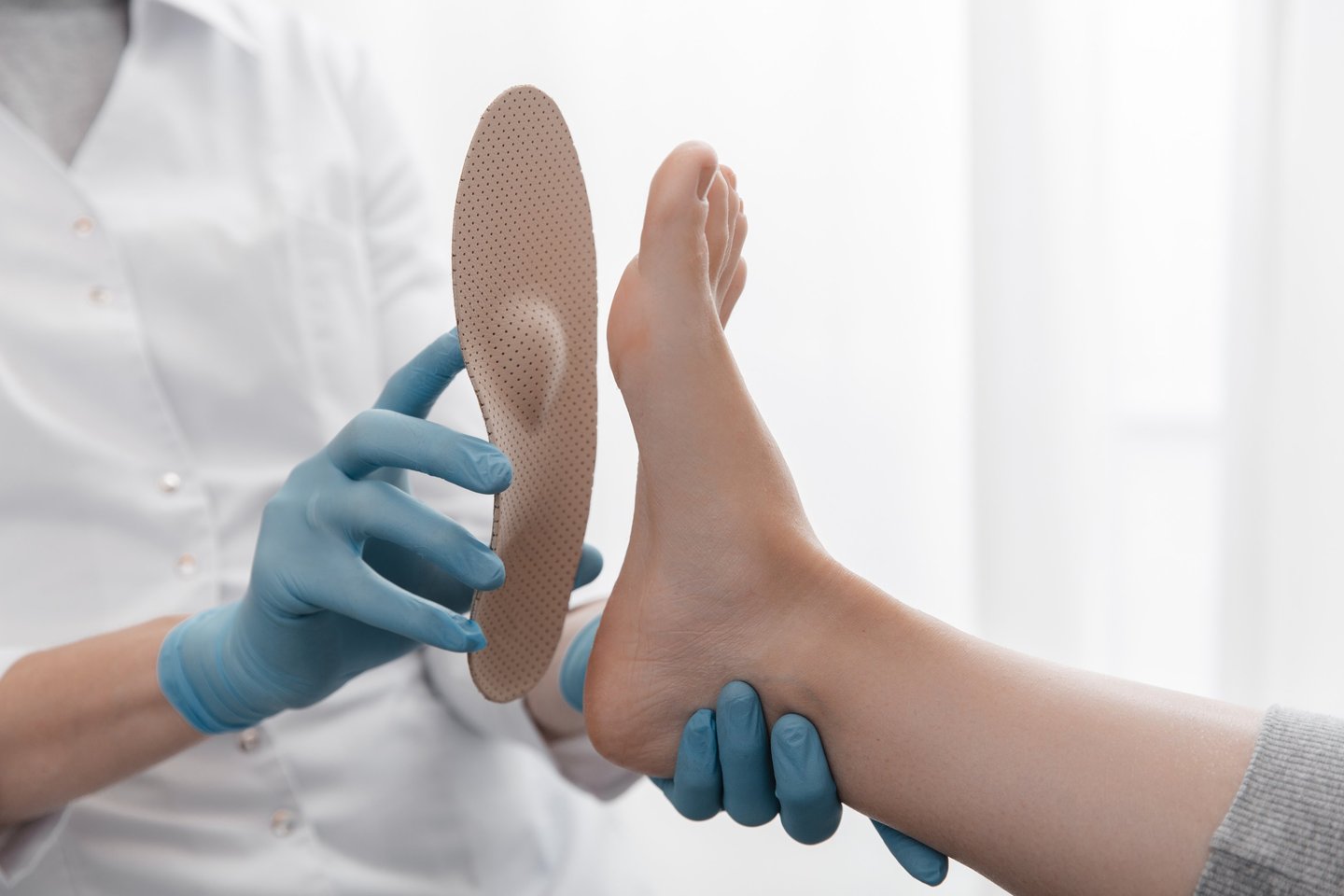
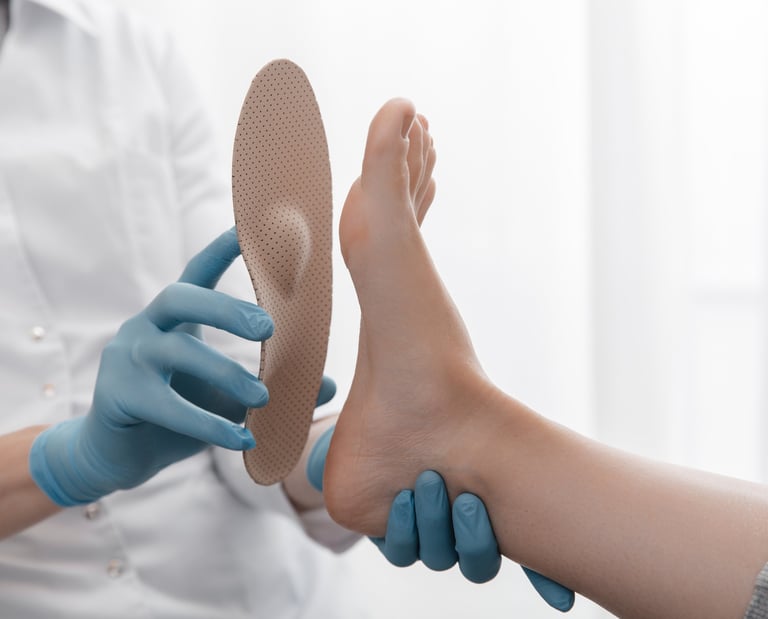
We use most innovative techniques to provide you with relive from pain by making custom orthotics.
Gait Scan is innovative diagnostic tool and digital casting device that allows practitioners to analyze patient biomechanics of walking and order custom made orthotics, that’s reflects every individual foot structure . Gait Scan provides a comprehensive biomechanical foot and walking pattern evaluation for each patient to apply proper foot arch support in shoes in the form of custom made insoles and minimize possibilities of error in diagnosis and treatment.
Arthritis
Arthritis is inflammation of one or more of your joints. The main symptoms of arthritis are joint pain and stiffness, which typically worsen with age. The most common types of arthritis are osteoarthritis and rheumatoid arthritis.
Osteoarthritis causes cartilage — the hard, slippery tissue that covers the ends of bones where they form a joint — to break down. Rheumatoid arthritis is an autoimmune disorder that first targets the lining of joints (synovium).
Uric acid crystals, infections or underlying disease, such as psoriasis or lupus, can cause other types of arthritis.
Treatments vary depending on the type of arthritis. The main goals of arthritis treatments are to reduce symptoms and improve quality of life. We would suggest European homeopathic injections as well as Plasma PRP over conventional steroids and regular surgery. Ankle sprains are a common injury. While this injury occurs quite often, the degree of severity can vary person to person. A sprained ankle can occur quite easily. Just a quick sideways or twisting movement is all it takes to sprain an ankle. Everyday activities can lead to an ankle sprain. An uneven surface or clumsy step can lead to this most common ankle injury. Understanding the injury and the degrees of an ankle sprain will get you on the road to a fast recovery. So don’t hesitate to call our office
Please call us to see if you would be eligible for house call by one of our friendly and knowledgeable , most qualified doctors and staff to treat your ankle condition on time , to avoid long term future complications and even possible surgery to correct improper healed torn ankle ligaments and tendons.
Neuromas
Our podiatry housecall foot doctors use advanced and innovative European neurolitic dehydrated alcohol injections to shrink neuromas and provide long-term , non-surgical solutions wherever possible.
A neuroma is a tender area that develops as a result of an overgrowth or swelling of nerve tissue. Sometimes referred to as benign nerve tumors, neuromas tend to develop in the ball of the foot where pressure is concentrated during walking, standing, and other activities, but they can occur in other areas as well. One of the most common types of neuroma in the feet is Morton’s neuroma, a painful swelling that occurs in the ball of the foot. Most neuromas can be diagnosed with an examination of the foot which looks for lumps or bumps under the skin that are associated with neuroma symptoms when pressed or touched.
How is a neuroma diagnosed?
Many neuromas can be diagnosed with a physical examination of the foot , ultrasound test or just with gentle pressure on the ball of the foot to locate areas of thickened tissue and to observe and evaluate the resulting sensations. X-rays may also be ordered to ensure symptoms are not being caused by another condition and would most of the time show bone compression of the painful area .
How is neuroma treated?
Some neuromas respond well to conservative treatment options aimed at reducing the pressure and irritation around the nerve so inflammation and pain can resolve. Often, switching to footwear that fits properly can provide significant relief of symptoms while also reducing the pressure that causes nerve inflammation. Avoiding high heels is also important since the sloped shape of the shoe can significantly increase pressure on the ball of the foot where neuromas are most likely to occur. Custom orthotics and Gel silicon toe cups ( latter currently available ONLY at our mobile services ) can be very effective in helping relieve pressure on nerve tissue so pain and inflammation can resolve. Pain medications including both oral medicines and injected solutions such as European homeopathic as well as Dehydrated Alcohol, Plasma PRP or Steroids can also be effective in providing immediate relief for symptoms, including both pain and inflammation. Other techniques like extracorporeal shockwave therapy can also be effective in treating neuromas and relieving symptoms. When surgery is necessary, the doctors use minimal incision/no scar surgeries to improve recovery time and reduce the risk of scarring.


Toenail Fungus
Laser for Fungal toenails
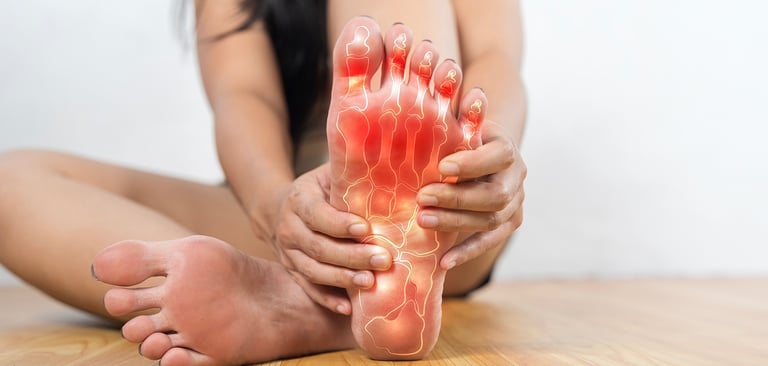
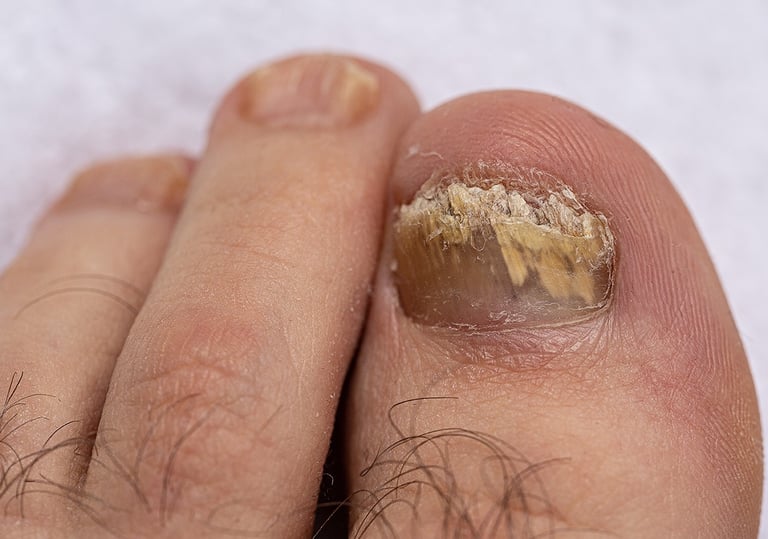
The fungal toenail is a condition where a fungal infection is present in or under a patient’s toenails. Most often it is the bacteria trichophyton which causes the infection. The infection itself typically occurs because the nails have been kept in wet or moist surroundings without the correct care including a group shower. Athletes can be more vulnerable to fungal toenails because they use these facilities and because their feet are continually kept in tight, sweaty shoes. Those with an undermined immune system can also be more vulnerable to fungal infections in the toenails.
How are Fungal Nails Treated?
At the practice, laser toenail fungus treatment is used for serious cases of fungal toenail infection. Laser treatments have shown to be more successful than topical ointments and can clear the infection without damaging the healing tissue. For minor cases, creams and topical medications are used to treat fungal nails. However, when the condition is a bit more serious, oral medications are used because they have proven to be very effective. The most commonly prescribe medication which has been effective is Lamisil otherwise known as terbinafine.
What causes fungal toenails?
Toenail fungus develops when the toenails have been in moist or wet environments and did not receive proper care afterward. For instance, areas such as communal showers can often be a breeding ground for fungus. Because of this, athletes can be more prone to developing fungal toenails. The fungus gains entry at the far end of the nail, where it separates from the skin, and develops there. There are three types of fungal nail infections:
Distal subungual onychomycosis – An infection which progresses from the nail’s end to the base. This traditionally develops in the toenails.
Proximal subungual onychomycosis – When the infection progresses from the base of the nail or toe and moves downward toward the nail end.
Yeast onychomycosis – An infection connected with the yeast candida. This is usually found on the fingernails causing the nails to turn yellow or brown and thicken. Occasionally this yeast can be found in the mouth as well. When you undergoing nail fungus treatment, it’s very important to sterilize your shoes every week as your shoes now contaminated and would slow down your treatment time and potentially could reinfect you even after you already recovered. Doctor Podolskiy, one of the founders of Chicago Home Foot Care invented ( patent pending) special socks ( Guardian gel socks) that would have protective gel layer over the toes , to prevent fungus reinfection and transfer . That would also serve as cushioning layer and moisturizer for your skin over toes bony prominences as well as for lost fat padding in the ball of the foot , thus helping Neuroma conditions as well. Gel layer is stink and sweat proof due to ventilation feature and now available in our mobile services as a protective gel layer , until socks will be manufactured. It feels extremely nice over toes to wear under the socks and has very good texture. It can come as thin layer of silicone gel cup over toes as well as fabric covered gel cup.
Laser for fungal toenail is a pain free and fast procedure, to treat any type of fungus infection in your nail. This technique uses laser light to penetrate and vaporize nail bed and special frequency kills only infected cells, with this method there’s no down time and it does not affect your everyday life. Unfortunately all Illinois insurance providers seeing Nail Fungus Laser treatment as a cosmetic procedure , this service can only be provided for private payers.
In our mobile services we use Q-Clear Laser for toe nail fungus treatment.
Q-Clear™ is the ONLY Laser System in the market with such great results and no side effects.The Q-Clear™ laser system has been cleared by the US FDA for multiple indications including “temporary increase of clear nail in patients with Onychomycosis.
Its Clinical study showed more than 95% efficacy and no pain in mild to moderate severity cases . It is one of the few FDA cleared lasers for fungal nails that the efficacy is on its 510K.
Ingrown Toe Nails
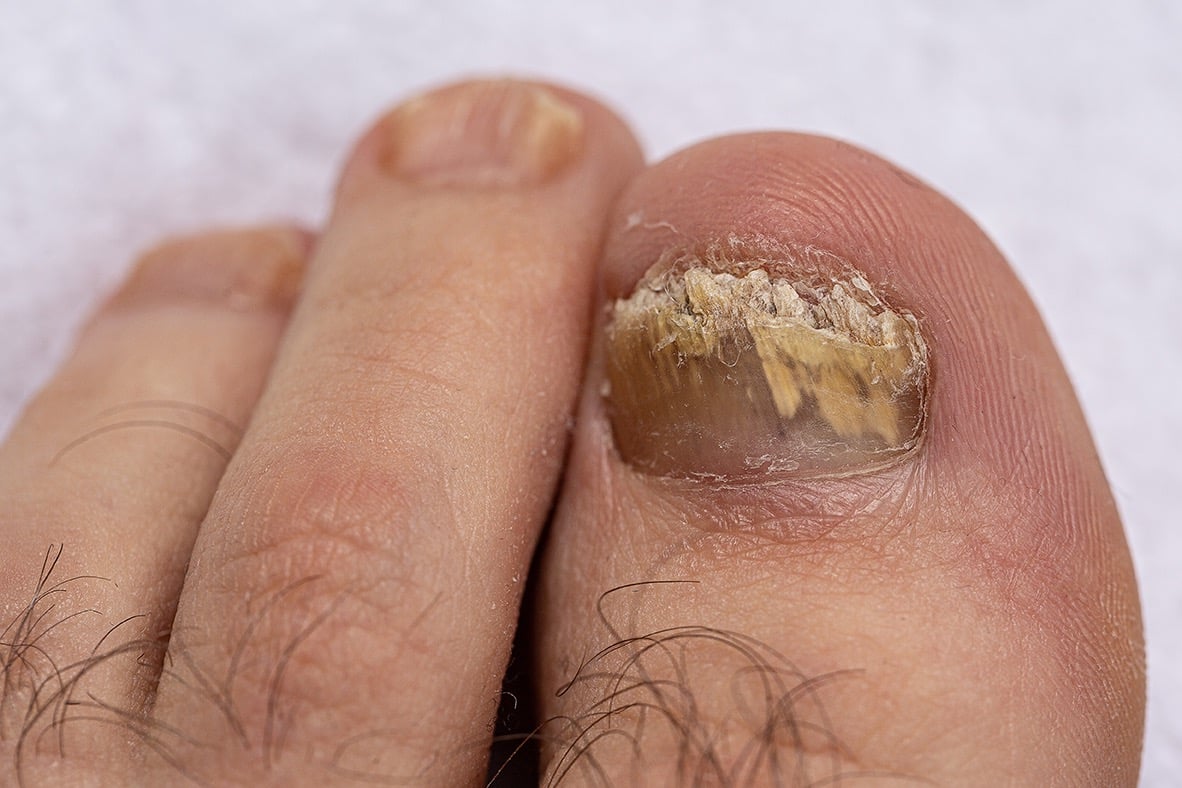
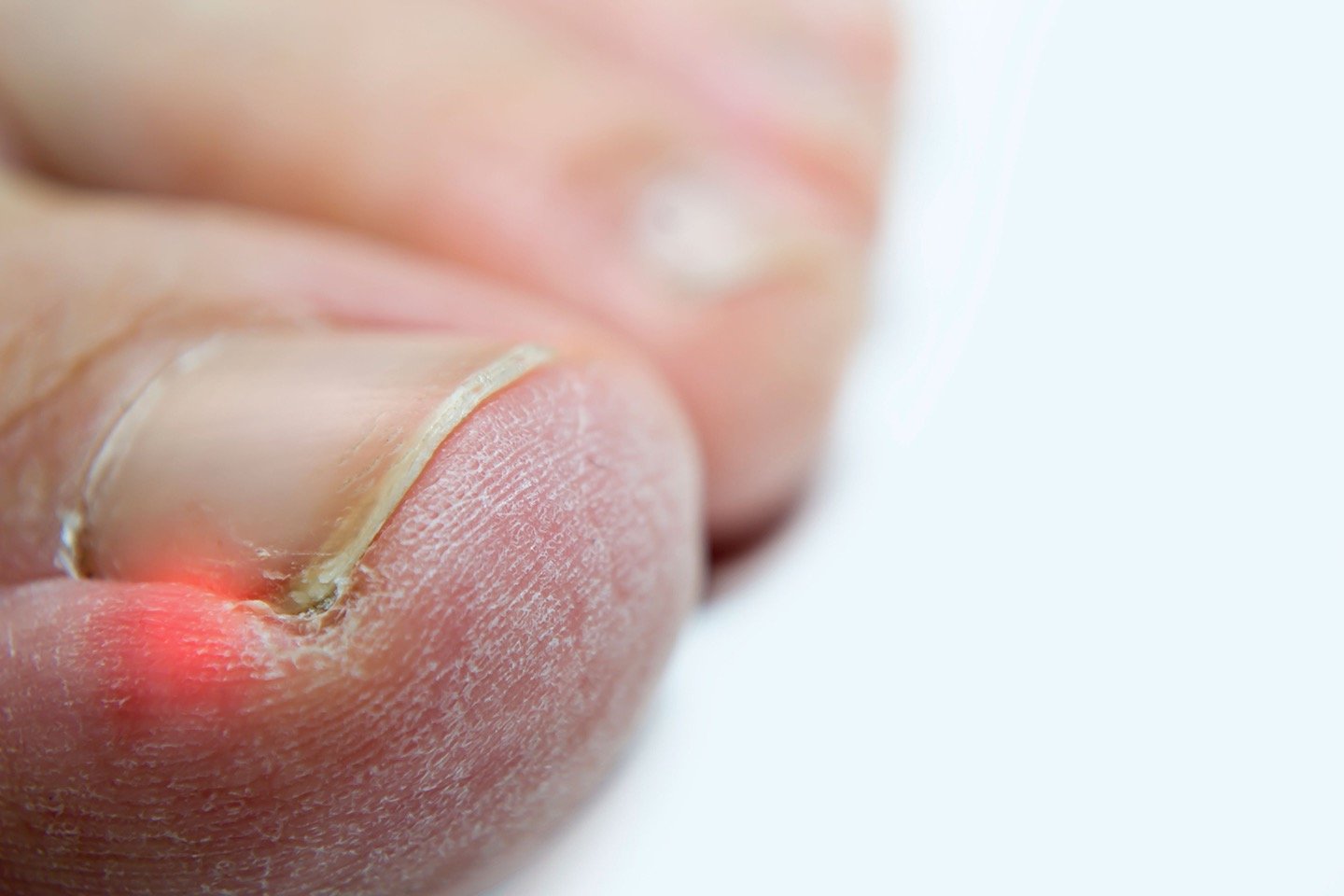
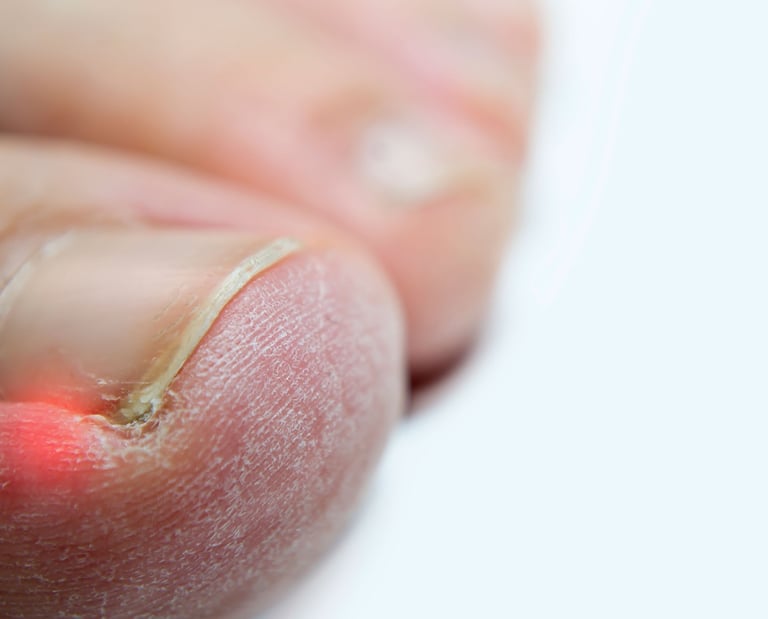
Ingrown toenails are a common condition in which the corner or side of a toenail grows into the skin. The result is pain, redness, swelling and, sometimes, an infection. Ingrown toenails usually affect your big toe, but can also affect other toes as well.
Often you can take care of ingrown toenails on your own by soaking the toe in warm, soapy water with Epsom salts and carefully trim nail. If the pain is severe or infection and swelling is spreading, your doctor would take steps to relieve your discomfort and help you avoid complications of ingrown toenails. Never try to treat infection on your own! As bone in the toe is just under the nail and infection can cause bone being affected and potentially can lead to toe partial of full amputation.
If you have diabetes or another condition that causes poor blood flow to your feet, easier set of infection and you’re at greater risk of complications of ingrown toenails. So please call our office today if you are experiencing this conditions, see our ingrown toenail doctor and get proper treatment.
Bunions/Hammertoes
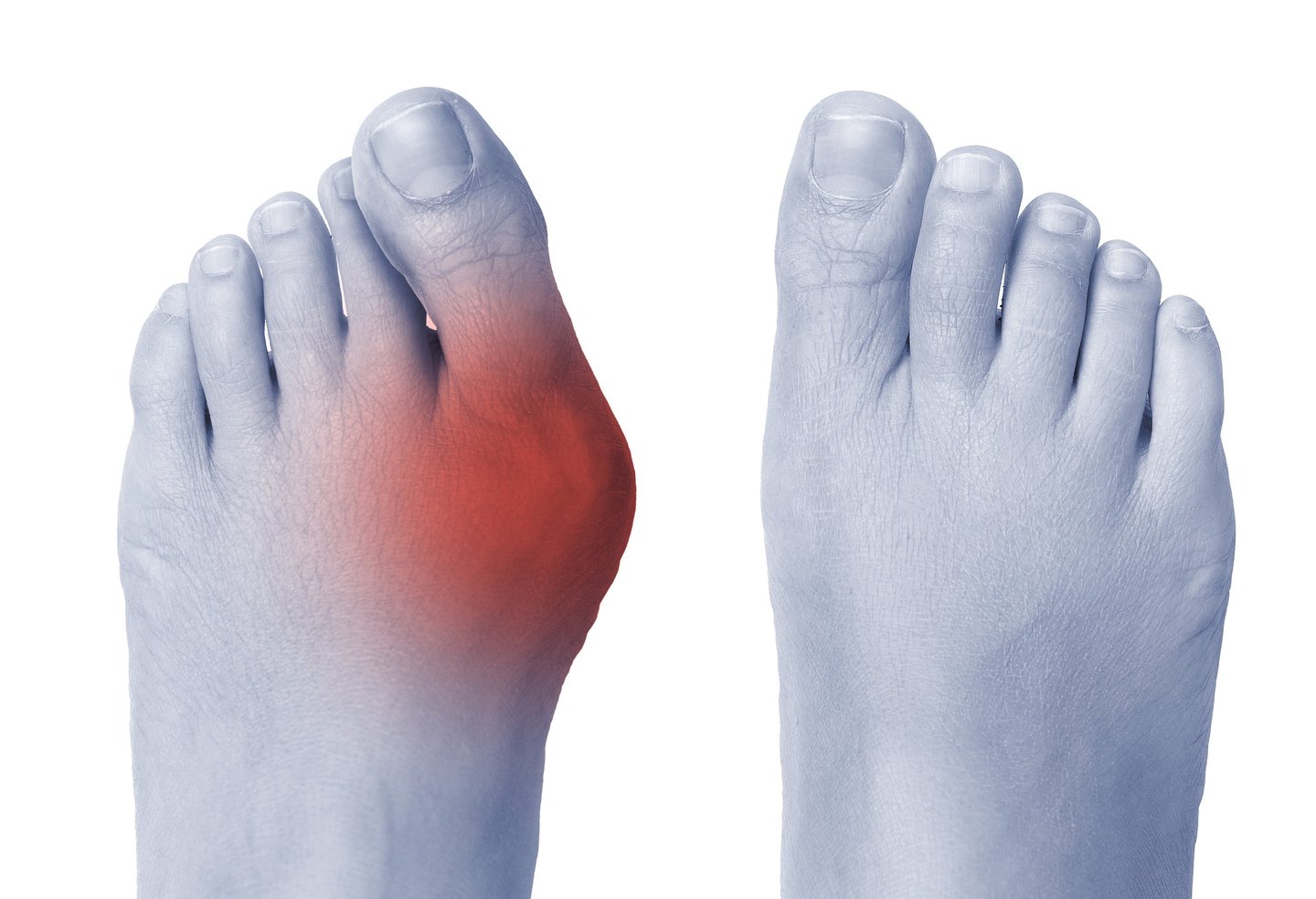
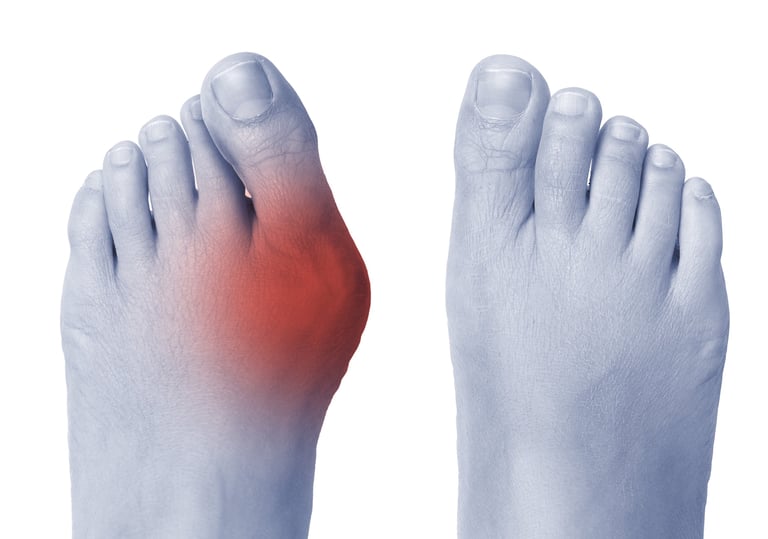
These are not merely unsightly bumps on the side of the foot. Bunions are the quiet joint killers. Although typically painful with redness and inflammation, this condition can have no symptoms for many years. During this time, the damage is being done as one of the most important joints in the foot becomes deteriorated and worn away. The cartilaginous joint surface that you are born with cannot be effectively replaced and technology to achieve this is still some time away. In the meantime, the cartilage is progressively eroded as the deformity continues to grow and pain usually follows. However, often the most disturbing aspect of this problem is the aesthetic appearance of the foot and inability to wear the desired shoes.
Conservative treatment often includes wearing silicone bunion shields, wide unfashionable shoes and occasionally injections of anti-inflammatory medication. Unfortunately, since this is a fixed structural deformity, conservative care can only go so far and surgery is generally recommended. Most bunions become painful and irritate the foot inside shoes at some point and being proactive at preventing further deterioration is usually the best decision. When taking this into consideration, an aesthetic result is of major importance. Conventional bunion surgery has been performed for decades. Previously, little attention has been focused on the cosmetic result, consideration for the patients ease of recovery and post-operative pain.
Using the state of art in fixation, aesthetic incision placement and modifications of time tested surgical techniques, Dr. Goshko and Dr . Podolskiy have been successfully performing these procedures and changing peoples lives one foot at a time. Patients typically can ambulate the same day. All fixation is hidden and does not usually need to be removed. Gone are the days of railroad track incision scars on the top of the big toe joint, having wires or pins protruding through the skin. Casts are almost never necessary and pain is minimal to none. Contrary to popular belief and what people may tell you, bunion surgery does not have to be painful and debilitating.
Treatment For Bunions:
Because they are bone deformities, bunions do not resolve by themselves. The goal for bunion treatment is twofold: first, to relieve the pressure and pain cause by irritations, and second to stop any progressive growth of the enlargement. Commonly used methods for reducing pressure and pain caused by bunions include:
The use of protective padding, often made from felt material, to eliminate the friction against shoes and help alleviate inflammation and skin problems.
Removal of corns and calluses on the foot.
Changing to carefully fitted footwear designed to accommodate the bunion and not contribute toward its growth.
Orthotic devices both over-the-counter and custom made to help stabilize the joint and place the foot in the correct position for walking and standing.
Exercises to maintain joint mobility and prevent stiffness or arthritis.
Splints for nighttime wear to help the toes and joint align properly. This is often recommended for adolescents with bunions, because their bone development may still be adaptable.
Compare this result to the typical bunion surgery horror story!
Surgical Treatment.
Depending on the size of the enlargement, misalignment of the toe, and pain experienced, conservative treatments may not be adequate to prevent progressive damage from bunions. In these cases, bunion surgery, known as a bunionectomy, may be advised to remove the bunion and realign the toe. Our doctors utilize a Hidden Incisional approach when perfomingbunion surgery. They realize that Aesthetics is just as important in addition to comfort and structural realignment of bunion deformities.
TRANSLATION : Doctor Podolskiy:” Pany Miroslawa had minimal incision bunion surgery 10 days ago and her foot is not swollen and it doesn’t hurt . And she can recommend this procedure to anybody, already 10 of her friends would like to do it.”
Heel Pain
What causes heel pain?
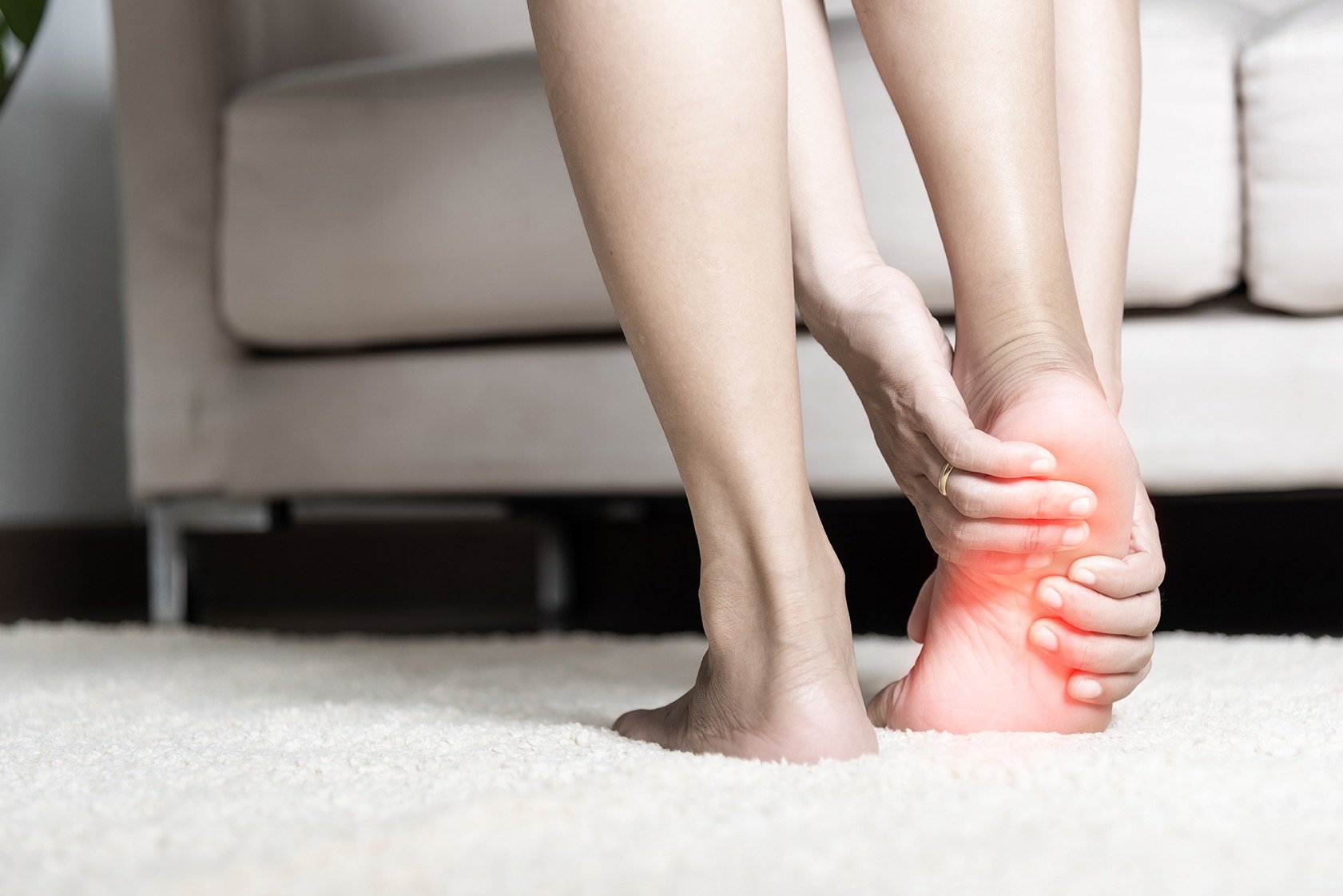
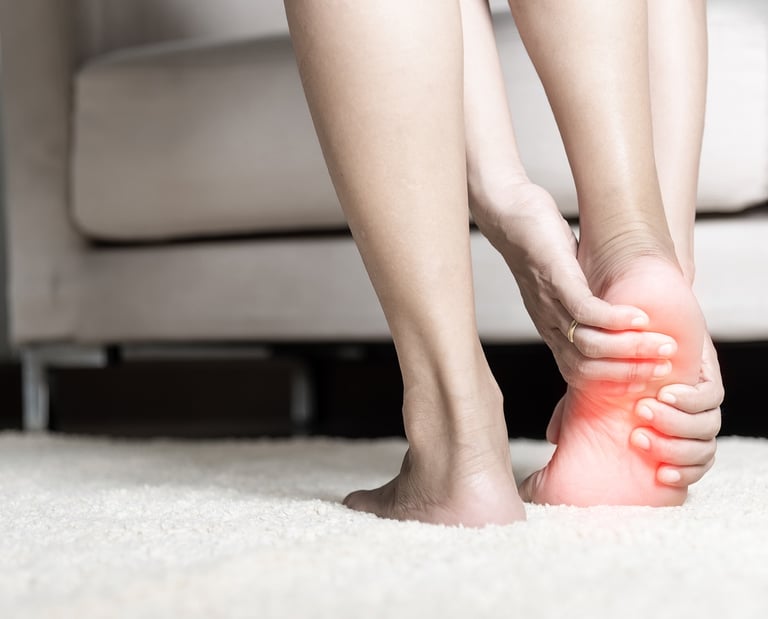
Heel pain is commonly the result of a condition referred to as plantar fasciitis which is also known as heel spur syndrome. Additional factors can cause heel pain as well including arthritis, nerve irritation, tendonitis, a stress fracture, loss of fat in the heel, bursitis, or very occasionally a cyst. To identify the underlying cause, the podiatric physician will assess the foot and ankle thoroughly. Most conditions can be treated with at-home strategies such as stretching, splints, and icing as well as using padding, orthotics, walking casts, certain medications such as anti-inflammatories, and possible injections with options of homeopathic, steroids and plasma PRPM . Avoiding going barefoot and wearing the appropriate shoes can also help greatly. In extreme cases, surgery may be needed, that also can be conventional with regular incision length as well as MINIMAL INCISION TECHNIQUE
What is Plantar fasciitis?
Plantar fasciitis is a painful condition which occurs when the plantar fascia, a strong band of connective tissue which goes from the bottom of the foot to the heel, becomes swollen and aggravated. Pain is usually felt along the underside of the foot and more often under the heel and is worse in the morning with the first step as at night that ligament shrinks and it becomes short and thick . It becomes inflamed and painful again after walking long day . Pain also happens after following periods of continued sitting. The discomfort and stiffness can seem to go away after the foot is used , but not for long time, it comes back after another round of inactivity. Plantar fasciitis can be addressed with gentle stretching exercises and massage to relieve swelling and increase flexibility and strength in the ligament itself. In some instances, injections of anti-inflammatory medications into the ligament can be prescribed when stretching, and massage do not provide relief.
How is heel pain treated?
Treatment will usually start with physical therapy and at-home strategies for podiatry housecall visits. Options will include:
Avoid being barefoot- this can relieve pressure and strain on the ligament
Icing- employ an ice pack for 20 minutes 3-4 times a day to reduce swelling
Shoe modifications- wear shoes with optimal arch support and a slightly raised heel
Limit specific activities- minimize activities which can strain the fascia
Medications- NSAIDs such as ibuprofen can minimize swelling and pain as well
Padding- pads in shoes and straps can support the ankle can lessen strain
Orthotic devices- custom devices can correct structural issues ,support arch of foot and take of body weight from Plantar fascia ligament. Night Splints- wearing a splint while sleeping can maintain a stretch over the course of the night and lessen morning pain.
Walking cast- a cast can keep the foot immobile for a while to allow it heal
Injections- HOMEOPATHIC PLASMA PRP corticosteroid injections can reduce pain and inflammation
Surgery can be used to repair a bone growth if one is present.

Wound Care
HOME WOUND CARE FROM SPECIALIST AT ILLINOIS MOBILE FOOT CARE
Because of the epidemic of diabetes, as well as our aging population, chronic wounds have become a major concern in medicine, with billions spent annually for their care. These common lesions represent a silent epidemic, affecting more than 7 million Americans. Because skin ulcers tend to occur in individuals that are sedentary or debilitated, home care has become a common location for the provision of wound care.
Regardless of the who or why, non-healing ulcers lead to pain, infection, hospitalization, and worse.
Because wound care is a relatively new specialty in medicine, the education and training provided to the individuals who are providing medical care varies greatly. But make no mistake, it’s a burgeoning field, with new methods and medicines, dressings and drugs, arriving almost daily.
Perhaps this explains why so many of the people performing wound care today aren’t utilizing the most up-to-date and effective techniques. In addition, many individuals receive wound care evaluation and treatment in the home by a nurse or medical assistant and not a doctor. And yet, a physician will always have received the most intensive, detailed medical education, providing important experiences with less common wounds. They will also have a greater understanding of the metabolic problems preventing the wound from healing in a timely fashion.
Illinois Mobile Foot Care now has the services of a wound care specialist, Dr. Conway McLean, a physician board certified by Academy of Physicians in Wound Healing. McLean has written and lectured extensively on the topic, to doctors, nurses, and the general public. Dr. Mclean has experience with a great variety of advanced techniques,
from ultrasonic mist therapy to regenerative medicine techniues, from surgical debridement to the use of advanced cellular tissue products. And many of these therapies, proven so helpful to healing, can be utilized in the home.
Having recently joined the group, McLean will now be available to provide mobile wound care, working in tandem with the long-established expertise of the physicians of Illinois Mobile Foot Care. Call to set up a visit in the comfort of the home.
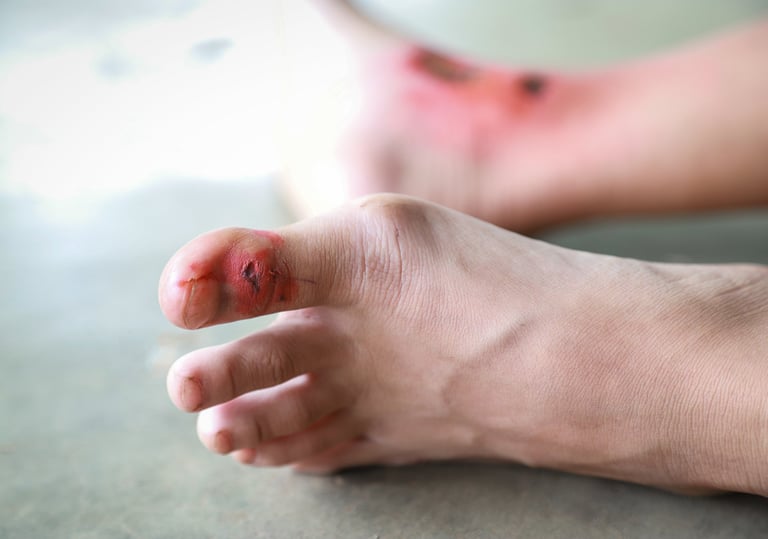
Diabetic Benefits From Wound Care Specialist
By Dr. Conway McLean, DABFAS, FAPWHc, FAMIFAS
Modern medicine in the US is a complex entity, with multiple players involved in the provision of medical care. These include physicians, ancillary health care providers, the federal government, and the private, for-profit, health insurers. And, of course, the patients themselves. The private insurers are looking to make more from our health care, while the federal government is looking to control costs in the care of seniors and the poor. Many parties have their fingers in the pie which is American medicine.
The financing of US health care is hotly debated, differing as we do from all the other industrialized nations. The guiding hand of the billion dollar, private health insurance companies are an integral part of the complex, multi-faceted picture that is American medicine. Getting an accurate view is difficult, with so many parties involved. There are many cooks in this kitchen.
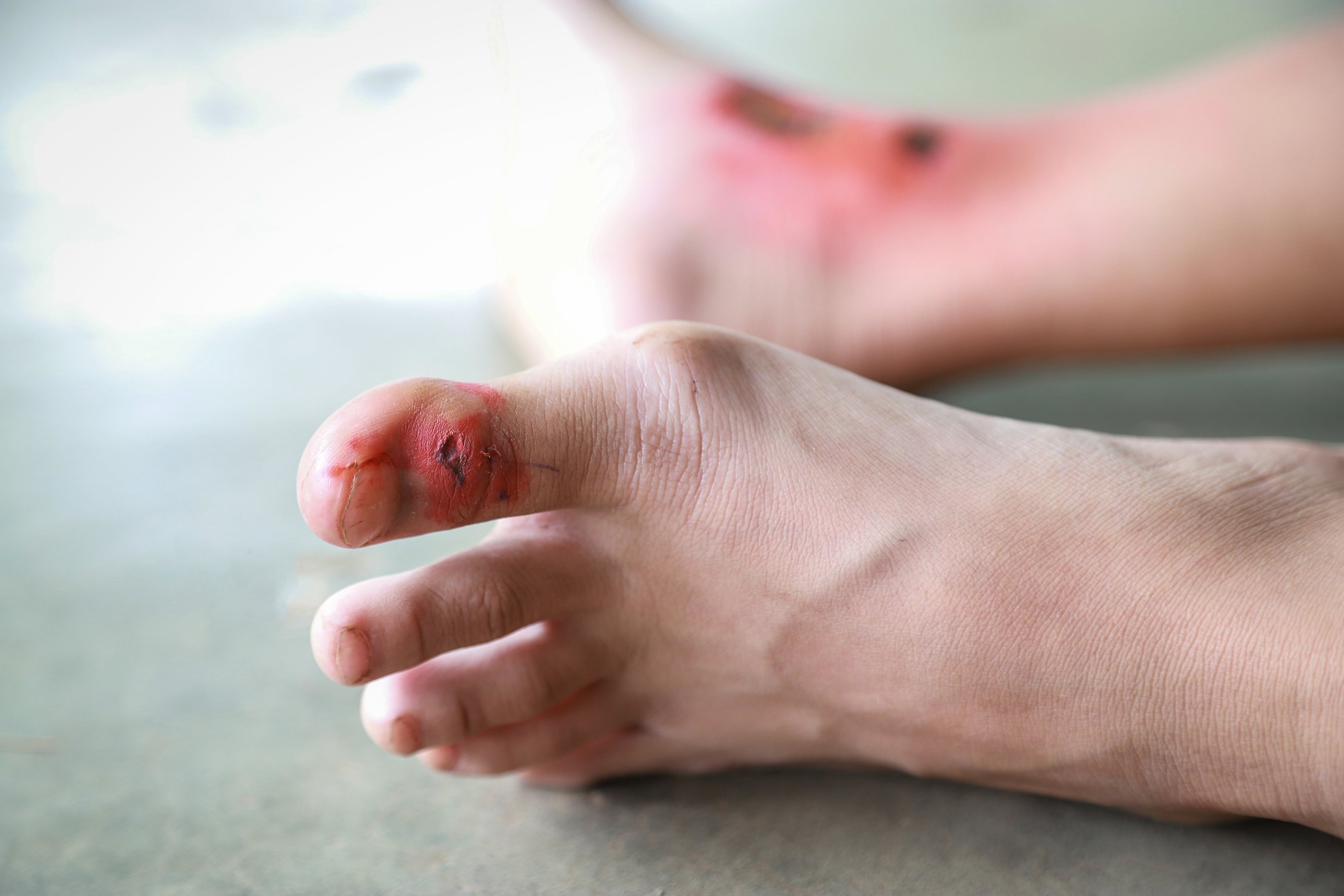
People with diabetes often get little attention to an area greatly affected by the disease, the foot, which experiences a unique constellation of complications. Some of these problems occurred to one diabetic individual, an elderly woman who we’ll call Betty. As occurs so frequently, Betty suffered a minor skin injury to the toes of one foot, which can have dire consequences in this population. Betty didn’t know it, but she was in a pickle.
Betty was quite elderly, but was fortunate to have the support of family nearby. She had been living alone until these sores developed. Betty was diabetic, but had never had a specialized foot exam. Like many with diabetes, she had neuropathy, meaning she didn’t feel certain kinds of pain properly. The result was Betty never felt the pressure on her toes from a particular pair of shoes.
Likely there would have been no consequences to this except Betty also suffered from PAD (peripheral arterial disease), as so many Americans do. Over time, this condition leads to thin skin, and difficulty with healing. Even the slightest trauma, irritation, or stress can lead to skin breakdown. And since the diabetic has difficulty fending off microbes, infection can necessitate amputation.
The sores on her toes worsened without proper care. Eventually she was seen by a specialist, who happened to be a general surgeon. Ever hear the one about everything looking like a nail when all you have is a hammer? This physician counseled for amputation of the foot and lower leg. Would most physicians have recommended this? What about different specialties? Podiatrists tend to see many patients with chronic wounds: the majority of these wounds occur below the knee. Knowledge of the most effective practices and use of more advanced techniques allows many limbs to be spared. Could Betty’s leg have been saved? No one can say, but healing of these takes time. Too often, amputation is recommended since it’s definitive, one stop shopping.
Unfortunately, no one took care to maintain Betty’s blood sugar after the amputation. High blood sugars reliably cause problems with healing, and predictably, the amputation incision did not heal. Subsequently, despite the continued application of a dressing, the wound worsened. The physician’s suggestion: an amputation above the knee, claiming inadequate blood flow had prevented the wound from healing.
Betty’s family was not pleased and another opinion was sought; a physician board certified in wound care. A thorough evaluation revealed sufficient blood flow, adequate nutrition for healing, and, most importantly, no signs of infection. This means there was no rush to amputate at a higher level (above the knee). Wound care takes time and patience, vigilance, insight.
The wound had developed a yellowish, slimy coating at this point. To a lay person, it looked horrific, a yawning chasm. To the trained eye, this wound was clearly overrun with biofilm, which is a colony of various bacteria that often form on joint implants, bone fixation plates, and, pertinent to our tale, ulcers of the skin. Biofilm is tough and gooey. It’s produced by bacteria, but generally it does not invade the host’s tissues. The conclusion, after examination of the wound, was that Betty’s ulcer was not infected, just colonized. But biofilm blocks the steps to healing of an ulcer and is considered a tremendous impediment to closure.
For some time, the recognized standard of care for the treatment of chronic wounds has been debridement. This is the technical term for the removal of dead, infectious or foreign material from a wound. For most wounds, this is necessary for the wound to close. Yet, Betty’s amp site had not ever been debrided. This is a common finding since many physicians are unaware of the accepted wound care techniques and practices.
The options for wound care today are staggering. But these are recent developments when considering the state of wound care just twenty years ago. Keeping abreast of these new developments is both challenging and exciting. New methods of electric stimulation can bring blood to ulcers not getting sufficient flow. Cold lasers revive the skin cells in the region. Fish skin is being successfully used to heal these challenging problems. Placental tissues (from a planned C-section) have produced marvelous results when injected into diseased tendons and ligaments, as well as being used on chronic wounds. Although there are exceptions, many of these resistant entities can be healed when the best techniques are used.
Betty’s wound is looking extremely good and no further limb loss is anticipated. But this scenario is re-enacted many times nation-wide, in various forms and manifestations. Ill-advised, inappropriate wound care is performed regularly, leading to unnecessary hospitalization, infection, amputation, even death. But it is not just knowledge that limits wound care practice.
Wound care can be expensive. Advanced wound care techniques can be pricey and some of the living skin equivalent products might be considered exorbitant. Debridement is technically surgery and we all know that is expensive. But when compared to the cost of an amputation, the physical therapy required, the prosthetic fabrication, it seems a bargain. Yet many insurances limit what is covered for wound care to only the most basic (i.e. inexpensive) products.
Advantage health insurance plans are those offered by the big private insurers for those who are eligible for Medicare. The marketing for these plans intimates it is the same as Medicare, but in actuality, they skimp here and there. One way to cut costs is to reduce access, especially to expensive items when something cheaper may suffice. For example, the advantage plans require the physician jump through many hoops to get the authorization allowing them to make use of these advanced healing materials. Multiple forms, reviews, prior authorizations each demanding hours of staff time, are demanded. Few will get through the arduous process, the result being the patient is deprived of the medicine or material.
Some would say there is too much specialization in medicine. But, in many areas, having a physician focused on some specific topic results in better care. The treatment of non-healing ulcers is certainly no different. Board certification in wound care is often the tell-tale, the indicator, that a physician is educated in the most effective, state-of-the-art techniques and technologies. It usually means an ulcer will heal faster and more effectively. That means better health and a better quality of life. Good goals all around.
Many Causes For Chronic Wounds
By Dr. Conway McLean, FAPWHc, DABFAS
Chronic wounds are a tremendous problem in our society, costing our healthcare system the unbelievable sum of about 50 billion dollars a year (yes, you read that correctly). They are also a fascinating topic; how do they occur and why. These have been the subject of intense scrutiny in the last decade or two, as the incidence of diabetes has skyrocketed, and the population aged.
A chronic wound is an opening in our skin which isn’t healing appropriately. Typically, in a healthy individual, some type of skin injury will proceed through the well-studied stages of healing. When it doesn’t follow that timeline, when healing is delayed or stops, there must be a reason. This is the detective work that is part of wound care. Our treatments for these lesions get better results when we know why the wound has stalled.
Make no mistake about it: this is a significant problem with approximately 6.5 million Americans afflicted with a chronic wound. As a science, this component of modern medicine has changed radically over the last few decades. The number of studies on the topic have exploded, as has the variety of technologies, treatments, and products available. Keeping abreast of all of the options takes real dedication, but results in improved healing rates. Significant advances have been made on all counts: our understanding of the mechanisms for the delay, means by which we can improve them, how to encourage healing. When one of these wounds won’t heal, removing the entire body part is routinely recommended. Saving a limb for which amputation has been recommended is a tremendously gratifying part of the practice of wound care.
With the number of people dealing with a chronic wound of one sort or another, these are significant problems, causing pain, complications, and reduced quality of life. This is clearly reflected in the dollars required for care. Unfortunately, when the medical care provided is less than optimal, these defects in our skin do not heal and problems develop, with amputation being not the worst. When someone with diabetes suffers an amp of a foot or leg, they usually don’t survive more than 3 years. It turns out an amputation is an independent risk factor for mortality.
Identifying the reason a skin injury isn’t healing properly allows us to direct our therapies toward the specific cause of the delay (aka the etiology). One obvious means of identification is location: where on the body is the ulcer found. Statistically, the most common location for a chronic wound is the lower leg, above the ankle. When a non-healing defect is found in this area, typically it is due to a vein problem. The material that makes blood red will leak out of the veins if allowed to idle inside these vessels, instead of continuing its journey back to the heart.
Those afflicted with vein disease often note a brownish discoloration developing in the region of the shins. This may be the first sign of vein disease and begins a gradual poisoning of the skin. The material doing the staining works as it should when inside our red blood cells, but it has a certain toxicity if it builds up in the integument, our outermost layer. Any physical trauma to diseased skin such as this will heal poorly if at all. If sufficiently advanced, an opening may occur without any injury at all.
Another very common type of non-healing skin ulcer is associated with a loss of functioning skin nerves, as is seen with neuropathy (especially with diabetes). Many of those with this common nerve condition are unable to feel pain properly. Chronic pressure to some area, like a bent toe or prominent bone, can reduce the blood flow to the skin and result in skin death, i.e. an open ulcer. In those with proper sensation, the pain from the pressure and the subsequent changes, is significant. The sufferer will make some change to alter this pain, be it shoe removal, padding of the bump, hopping if necessary. Those with impaired sensory nerve function never receive the message that a problem is transpiring. Pain is a great motivator.
Due to the many recognized diseases which produce clogging of our arteries, ulcers that won’t heal because of inadequate blood supply are too common. Arterial disease, for most people, is a gradual process: the skin and soft tissues are already unhealthy from years of deprivation. Healing this type of ulcer requires a restoration of blood supply, often necessitating a surgical procedure. Without improved flow, no medicine, no high tech graft or therapy, will lead to healing. As the saying in wound care goes: “we are held hostage by the blood flow.”
Numerous additional reasons exist for a skin wound that won’t heal besides those mentioned. Many wounds have several causes requiring a different approach. Infection is rarely a cause of an ulcer but is a very common development once an ulcer occurs. The skin provides us with tremendous protection against bacterial invasion, but once an opening is present, bacteria can easily enter the soft tissues of the ulcer. And a malignancy of the skin throws an additional ‘monkey wrench’ into the equation.
Various healthcare providers practice wound care, to some degree or other. How knowledgeable are they about the latest advances, the newest products or procedures? These are important questions, and the answers will vary greatly. Because most ulcers occur below the knee, they lie within the auspices of many podiatric physicians. But determining why some opening in the skin isn’t healing is a vitally important part of the process that is modern, effective wound care. If you or a loved one has a wound of some type and it isn’t closing, don’t delay. The longer the root of the problem goes untreated, the greater the risk of dire complications. See a physician specializing in wounds for that body part for the best chance of healing.